



Osteoporosis Patient Information: A Guide to Understanding Bone Health

Receiving a diagnosis of osteoporosis can be an overwhelming experience. If you have been searching for reliable osteoporosis patient information, you have likely found a great deal of conflicting and confusing advice online. This can create more questions than answers.
This guide is designed to provide clarity. It explains how healthcare professionals approach the condition, helping you understand the key principles of bone health. Our goal is to move from the initial uncertainty toward a clear, manageable path forward.
Understanding Your Starting Point with Osteoporosis
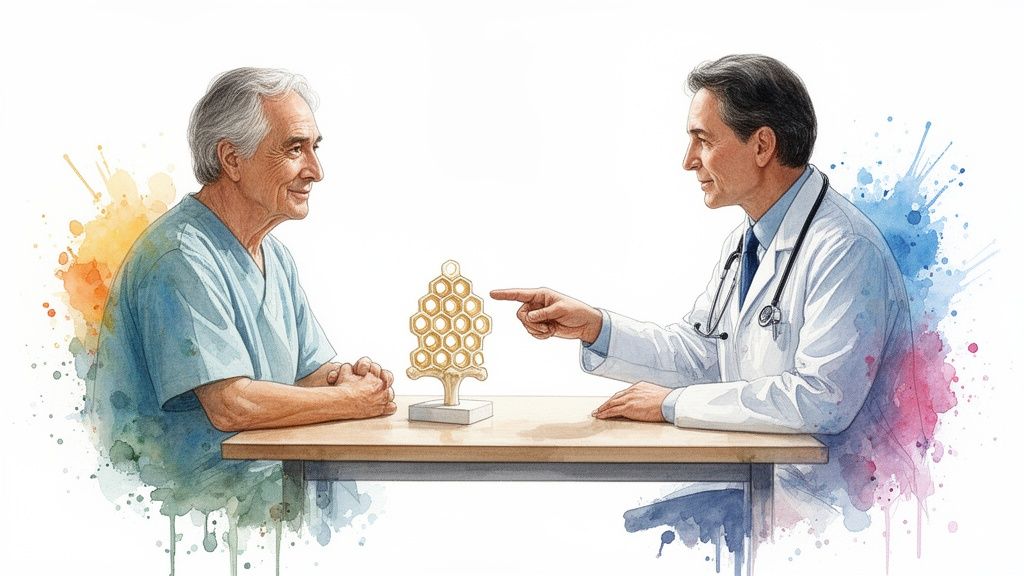
If you have recently been told you have osteoporosis or are at a high risk, you are not alone. It is a very common condition, and the journey often begins with a sense of uncertainty. Navigating the available information can be a challenge.
The purpose of this article is to provide a grounded, clear overview of bone health. We will break down the essential concepts in a way that makes sense, aiming to empower you as an informed partner in your own healthcare.
What Is Osteoporosis?
In simple terms, osteoporosis is a condition that causes bones to become weaker and more fragile, which increases the risk of fracture. The name itself is derived from Latin and means “porous bone.”
A useful way to visualize this is to imagine the internal structure of a healthy bone as a dense honeycomb. This structure is strong, with small, tightly connected spaces. In a bone affected by osteoporosis, these spaces become much larger. This change weakens the bone from the inside out, making it more susceptible to breaking from a minor fall, or in some cases, even a strong cough.
This gradual loss of bone strength is often referred to as a "silent" condition because it typically has no symptoms. For many individuals, the first indication of a problem is a fracture.
Why This Information Is Important
Understanding this core concept—the weakening of the internal honeycomb structure—is fundamental. It helps explain why specific treatments and lifestyle modifications are recommended. Every strategy for managing osteoporosis is designed to either slow the rate of bone loss or help the body build new bone tissue to reinforce this internal structure.
This is a widespread issue. In the UK, it is estimated that one in two women and one in five men over the age of 50 will sustain a fracture due to poor bone health. Data from the Royal Osteoporosis Society (ROS) indicates this results in over 500,000 fractures each year in the UK alone.
This guide is structured to build your understanding step by step. By explaining how clinicians think about diagnosis and management, our aim is to help you have more effective conversations with your healthcare team. This is not just a list of tips; it is a foundation for clarity.
Understanding the Risk Factors for Osteoporosis
It is common to wonder about your personal risk. For osteoporosis, this risk is determined by a combination of factors—some are fixed, while others can be influenced by your lifestyle. The first step in protecting your bone health is to understand your individual risk profile.
Think of it as having two categories of risk. One includes factors you cannot change, such as your age or genetic background. The other includes factors you can directly influence, such as diet and physical activity. A clear understanding of both helps you and your doctor develop an appropriate plan.
Unavoidable Risk Factors
Some risk factors are an inherent part of your biology and medical history. While you cannot change these, being aware of them is important. This knowledge allows you to be more proactive about your bone health and initiate conversations with your doctor at an earlier stage.
Common unavoidable risk factors include:
- Age: Bone is living tissue that is constantly being renewed. As we get older, particularly after our 30s, the rate of bone loss begins to exceed the rate of bone formation.
- Being female (especially after menopause): Women tend to have smaller, less dense bones than men. The significant drop in oestrogen levels during menopause accelerates bone loss.
- Family history: A parental history of osteoporosis or hip fracture can indicate a higher personal risk, as genetics play a role in determining peak bone mass.
- Certain medical conditions: Conditions such as rheumatoid arthritis, coeliac disease, or hyperthyroidism can interfere with nutrient absorption or the hormonal balance required for healthy bones.
- Long-term use of certain medications: Some drugs, particularly corticosteroids used at high doses over extended periods, can have a negative impact on bone density.
Having these risk factors does not mean fractures are inevitable. It simply means that proactive monitoring and management are more important.
Modifiable Risk Factors
This is the area where your choices can make a significant difference. Daily habits can either support bone health or contribute to its decline over time. Focusing on these areas allows you to actively strengthen your skeleton and help mitigate some of the unavoidable risks.
Below is a table that helps distinguish between these two categories of risk.
A Comparison of Key Osteoporosis Risk Factors
This table outlines the factors a clinician would consider, separating the unchangeable from the manageable.
| Risk Factor Category | Specific Examples | Why It Increases Risk (Simplified) |
|---|---|---|
| Unavoidable | Age, being female, family history, menopause, certain medical conditions (e.g., rheumatoid arthritis) | These are linked to genetics, natural hormonal changes, and the ageing process. They establish a baseline level of risk. |
| Modifiable | Low calcium/vitamin D intake, sedentary lifestyle, smoking, excessive alcohol consumption | These factors can deprive the body of essential bone-building materials or introduce substances that harm bone structure. |
Making positive changes to the modifiable risk factors is one of the most effective actions you can take for your bone health, regardless of your unavoidable risks.
How Osteoporosis Is Diagnosed: The DEXA Scan
If your doctor recommends a bone density scan, it is natural to have some questions. Understanding the process can help alleviate any concerns. The primary diagnostic tool for osteoporosis is the DEXA scan.
In a clinical setting, the DEXA scan (Dual-Energy X-ray Absorptiometry) is considered the gold standard for measuring bone strength. The name is technical, but the procedure itself is simple, quick, and painless. It uses a very low dose of X-ray to accurately measure bone density.
What to Expect During a DEXA Scan
The process is straightforward and typically takes 10 to 20 minutes. You will be asked to lie on a padded table while a scanning arm passes slowly over your body. The scan usually focuses on the lower spine and hip, as these are critical areas where fractures can have a significant impact.
The radiation exposure is minimal—considerably less than that of a standard chest X-ray and comparable to the natural background radiation exposure during a long-haul flight. No injections or special preparations are required, and you can generally remain fully clothed.
A doctor may recommend a scan based on your risk factor profile, which includes both modifiable and unavoidable factors.
Visualizing the risks in this way can help clarify what is within your control versus what is determined by genetics and ageing.
Understanding Your Results: The T-score
Your scan results will include a value called a 'T-score'. This may seem clinical, but the concept is quite simple.
A T-score compares your bone mineral density (BMD) to the optimal peak bone density of a healthy 30-year-old of the same sex. It indicates how much your bone mass deviates from this standard.
A T-score of 0.0 represents the bone density of a healthy young adult. A negative score indicates that your bones are less dense than this benchmark.
Here is how clinicians interpret the T-score:
- -1.0 or above: Your bone density is considered to be in the normal range.
- Between -1.0 and -2.5: This indicates low bone mass, a condition known as osteopenia. It is not osteoporosis but signals an increased risk of developing it.
- -2.5 or below: A score in this range confirms a diagnosis of osteoporosis.
This T-score is a key piece of information that helps your doctor quantify your fracture risk and determine the most appropriate course of action. You can find more details on clinical guidelines in our osteoporosis patient information resources.
The Role of a Z-score
Your report may also include a 'Z-score'. This is a different comparison. While a T-score compares you to a young adult at peak bone mass, a Z-score compares your bone density to the average for someone of your own age, sex, and ethnicity.
The Z-score is not typically used for diagnosing osteoporosis in older adults. However, it is valuable for children, pre-menopausal women, and younger men. A Z-score that is lower than expected may suggest to a doctor that an underlying medical condition could be contributing to bone loss.
Core Treatment Strategies for Managing Osteoporosis
Receiving a diagnosis is the first step; the next is to understand the available management strategies. An effective plan typically involves a combination of prescribed medication and supportive lifestyle changes. It is a common misconception that these are mutually exclusive options.
Effective management is about creating the right conditions for your bones. While medication can play a key role in slowing bone loss, its effectiveness is enhanced when the body has the necessary nutrients and is stimulated by appropriate exercise. This combined approach offers the best opportunity to strengthen your skeleton and reduce your fracture risk.
The Role of Medication in Bone Protection
When discussing treatment, your doctor will likely mention a class of drugs called bisphosphonates. These are often the first-line treatment for osteoporosis.
A common example is Alendronic Acid. The primary function of these medications is to slow down the cells that are responsible for breaking down bone tissue. By inhibiting this process, it allows your bone-building cells a better opportunity to maintain or even improve bone density.
Other medications are also available, such as denosumab injections or bone-building agents like teriparatide. The specific treatment your doctor recommends will depend on your individual circumstances, including your T-score, overall health, and any other co-existing medical conditions.
Statistics highlight the importance of timely treatment. In England and Wales, osteoporosis contributes to approximately 180,000 fractures each year. Concerningly, more than 50% of subsequent fractures occur within two years of the first. This is why official reports, like the Fracture Liaison Service Database 2025 report.pdf?openelement), now strongly recommend that medication is initiated within 16 weeks of diagnosis to help prevent this cycle.
Lifestyle as a Partner to Medication
Relying on medication alone is seldom the complete solution. Clinicians view lifestyle adjustments not as optional extras but as essential components of your treatment plan. They provide the raw materials and physical stimuli your bones need to benefit fully from medication.
Two areas form the foundation of this support: targeted nutrition and specific types of exercise. Without them, even the most effective medications may not achieve their full potential.
Consider this analogy: medication acts like a skilled construction team ready to reinforce a structure. However, if they lack the essential materials (calcium and vitamin D) and the structure itself is not being actively used (no weight-bearing exercise), their ability to strengthen it is significantly limited.
Nutrition: The Building Blocks for Bone
For bone health, two nutrients are non-negotiable: calcium and vitamin D.
-
Calcium: This mineral provides bones with their hardness and strength. If dietary intake is insufficient, the body will draw calcium from the skeleton for other critical functions, thereby weakening the bones. Good sources include dairy products, leafy green vegetables, and fortified foods.
-
Vitamin D: This vitamin is essential for the absorption of calcium from your diet. Even with a calcium-rich diet, without adequate vitamin D, much of it cannot be utilized by your bones. Fatty fish and fortified foods can contribute, but in the UK, limited sun exposure often makes supplementation necessary.
A consistent and adequate supply of both is fundamental. If you are considering options, you may find our information on high-potency calcium and D3 supplements useful.
Exercise: The Signal to Build Stronger Bones
Exercise sends a crucial signal to your body to strengthen your bones. However, not all exercise is equally effective. The two most important types for bone health are:
-
Weight-Bearing Exercise: This includes any activity where your feet and legs support your body weight. Brisk walking, dancing, or climbing stairs are all beneficial. The mechanical stress from these activities stimulates bone-building cells.
-
Muscle-Strengthening Exercise: Also known as resistance training, this involves working muscles against a force, such as weights, resistance bands, or your own body weight. As muscles contract and pull on bones, it signals them to become stronger and denser.
These two pillars—medication and lifestyle—work in concert. By combining them, you are creating a comprehensive and effective strategy for managing osteoporosis.
Living Well and Preventing Fractures
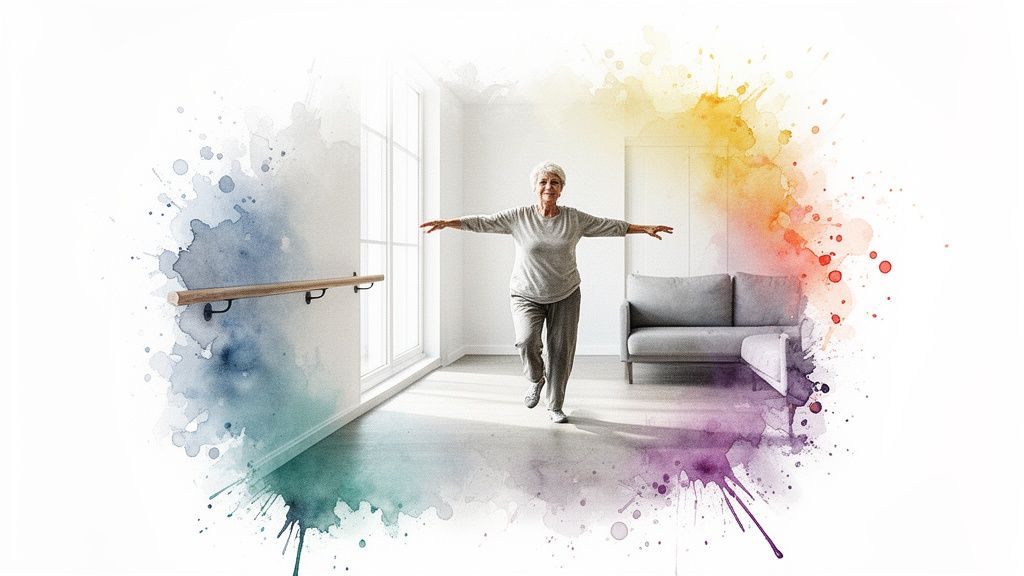
For most people with an osteoporosis diagnosis, the primary concern is not the condition itself, but the risk of a fall leading to a serious fracture. This is a normal and understandable feeling.
The positive news is that there are many practical steps you can take to significantly reduce this risk. This is not about restricting your life, but about making smart, simple adjustments to your environment and habits that can make a substantial difference.
By focusing on prevention, you can maintain your independence and continue to live a full and active life with greater confidence.
Creating a Safer Home Environment
Many falls occur at home, often due to hazards that have gone unnoticed. A key part of fracture prevention in clinical practice involves a "home safety assessment." This simply means reviewing your living space to identify and address potential risks.
The goal is to create clear and uncluttered pathways for safe movement.
- Remove trip hazards: Loose rugs should be secured with double-sided tape or removed. Tidy away trailing electrical cords and clear clutter from walkways.
- Improve lighting: Ensure all areas of your home are well-lit, especially hallways, staircases, and bathrooms. Night lights can be helpful for navigating at night.
- Add support: Installing grab bars in the bathroom—near the toilet and in the shower—can provide crucial stability. Sturdy handrails on both sides of any staircase are also recommended.
These small modifications can play a significant role in preventing a simple slip that could result in a serious injury.
The Importance of Balance and Strength
While a safe home is vital, improving your body's stability is equally important. Exercises that enhance balance and strengthen muscles are your best defence against falls. They help you remain steady and allow you to recover your balance if you stumble.
Clinicians often recommend specific activities for this purpose.
Tai Chi is frequently recommended in patient management plans. It is a gentle, low-impact form of exercise that has been shown to improve balance and reduce the frequency of falls in older adults. It involves slow, controlled movements that build both physical stability and body awareness.
Alongside balance training, maintaining muscle strength is crucial. Strong leg and core muscles provide a stable foundation that supports your entire skeleton.
The impact of fractures extends beyond individual health. The Royal Osteoporosis Society (ROS) notes that fractures cost hospitals in the UK 105,000 bed days annually, and 27,000 people of working age have to leave their jobs each year as a result. You can learn more about the wider impact of fractures on the BGS website.
Protecting Your Spine in Daily Activities
It is important to be aware that not all fractures result from falls. Vertebral fractures, which affect the bones in the spine, can occur during everyday movements if performed incorrectly. Learning proper bending and lifting techniques is a critical skill for anyone with osteoporosis.
The general rule is to avoid bending from the waist. Instead, you should bend at your hips and knees, keeping your back as straight as possible.
- When lifting: Position yourself close to the object, bend your knees into a squat, and use your leg muscles—not your back—to lift.
- During daily tasks: For activities like making a bed or loading a dishwasher, try to kneel or hinge at your hips rather than rounding your spine.
This mindfulness of movement helps to distribute loads safely, protecting the vertebrae from unnecessary stress. For a more detailed approach, we explain how to build a comprehensive fracture prevention plan. By integrating these strategies into your daily routine, you can significantly reduce your risk.
Your Path Forward with a Clearer Understanding
We have covered the fundamentals of osteoporosis, from the meaning of "porous bones" to the details of diagnosis and management. The aim has been to reduce confusion and provide a solid foundation of knowledge.
When you understand the reasoning behind your doctor's recommendations, it can change your perspective. It allows you to move from passively following instructions to actively participating in your own health. This knowledge can give you the confidence to ask more targeted questions and make informed choices.
Managing a condition like osteoporosis is an ongoing process. While this article serves as a strong starting point, each person's situation is unique. Living well with osteoporosis involves continuous learning and adaptation.
For those looking to organise this information into a more detailed framework, our comprehensive guides are designed for that purpose. They help connect the different aspects of the condition into a coherent whole.
This is not about seeking a quick fix. It is about developing a durable understanding of your body. This deeper knowledge is the basis for sound health decisions.
Ultimately, the message is one of capability. By taking the time to understand your bone health, you are taking a crucial step toward protecting your future independence and quality of life.
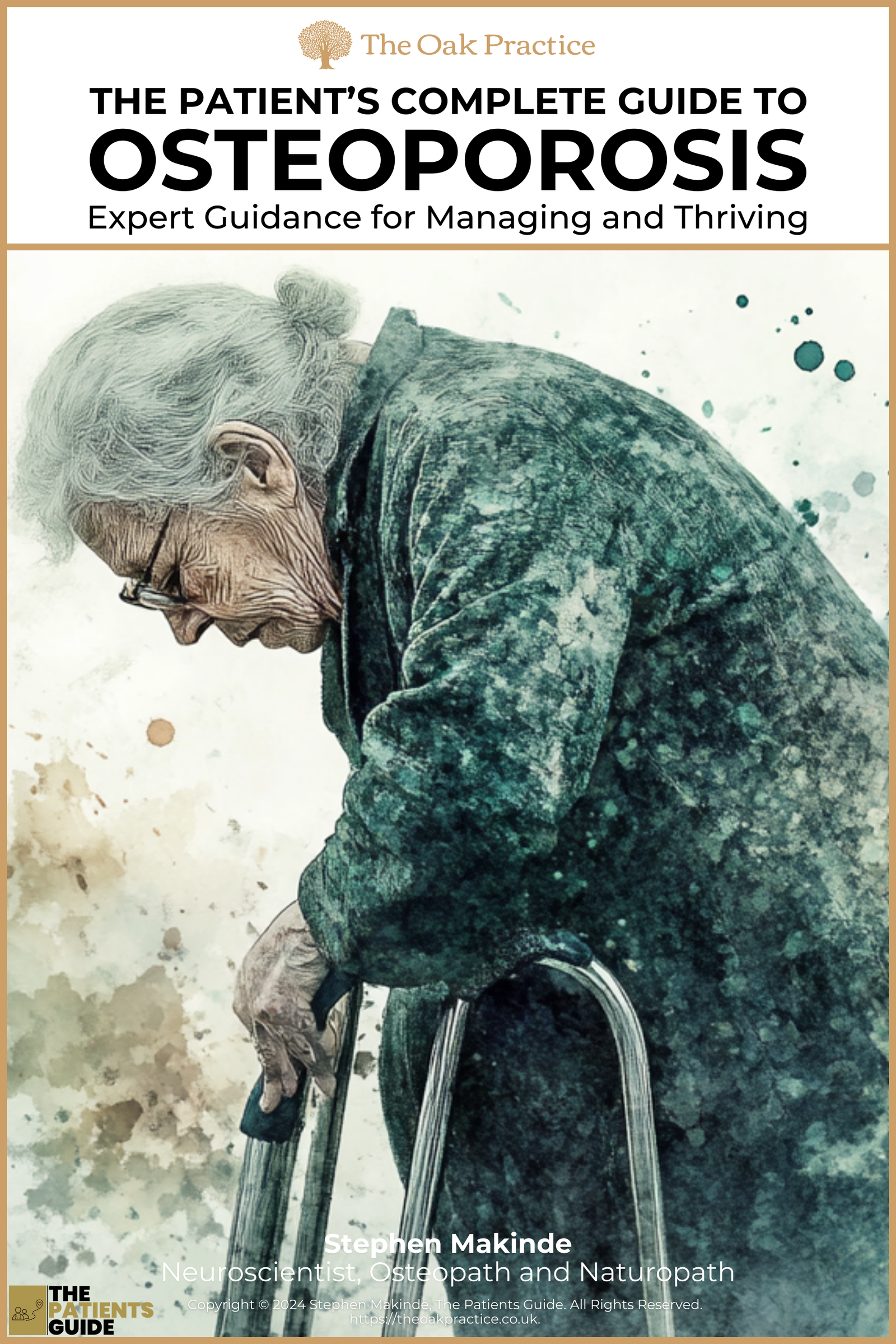
For those who want to go beyond articles and explore this topic in a more structured format, this is explored in more detail in our Osteoporosis Guide.
Frequently Asked Questions About Osteoporosis
When first diagnosed with a condition like osteoporosis, it is natural to have many questions. Below are answers to some of the most common queries to help you feel more confident and informed.
Can Osteoporosis Be Reversed?
This is a very common and important question. While it is not possible to restore bone density to the levels of early adulthood, the condition can be effectively managed and significantly improved. The term "reversal" is not typically used, but "improvement" is a realistic goal.
The primary aim of treatment is to slow the rate of bone loss and stabilise the skeleton. Medications such as bisphosphonates are very effective at this. Some newer treatments can also stimulate new bone formation, leading to measurable increases in bone density.
Therefore, while a "cure" is not the current language, achieving a substantial improvement in bone strength and a major reduction in fracture risk is a very attainable outcome.
Is Osteopenia the Same as Osteoporosis?
They are related but not the same. Osteopenia can be considered a warning sign, indicating that bone density is lower than optimal but has not yet reached the threshold for an osteoporosis diagnosis.
The distinction is made based on the DEXA scan T-score:
- Normal bone density: T-score of -1.0 or higher
- Osteopenia: T-score between -1.0 and -2.5
- Osteoporosis: T-score of -2.5 or lower
A diagnosis of osteopenia presents an opportunity to be proactive. It is an ideal time to focus on lifestyle modifications—such as ensuring adequate calcium and vitamin D intake and engaging in regular weight-bearing exercise—to help prevent the progression to osteoporosis.
Do Osteoporosis Medications Have Side Effects?
Like all medications, those used to treat osteoporosis can have potential side effects. It is important to have an open discussion with your doctor about this. For most individuals, the benefit of preventing a potentially life-altering fracture significantly outweighs the risks.
With oral bisphosphonates like Alendronic Acid, some people may experience gastrointestinal issues like heartburn. This is why there are specific instructions for taking them: with a full glass of plain water, while upright, and on an empty stomach.
Rarer, more serious side effects have been reported, such as problems with the jawbone, but these are very uncommon. Your doctor will assess your overall health profile to recommend the medication that offers the greatest protection with the lowest level of risk for you.
In a clinical setting, the decision-making process is always a balance of benefits and risks. For an individual at high risk of fracture, the protection offered by medication is almost always a critical factor in maintaining their health and independence.
Is It Safe to Exercise with Osteoporosis?
Yes, not only is it safe, it is considered essential. The key is to engage in the right kind of exercise—activities that strengthen bones and muscles without posing a high risk of falls or placing excessive strain on the spine.
For some individuals, particularly those with very low bone density, high-impact activities like running or jumping may not be advisable.
Instead, the focus should be on:
- Weight-bearing exercise: Activities like brisk walking, dancing, or using stairs are excellent.
- Muscle-strengthening: Using light weights, resistance bands, or bodyweight exercises helps support the skeleton.
- Balance and posture work: Activities like Tai Chi or specific, modified yoga and Pilates exercises are beneficial for improving stability.
It is generally recommended to avoid exercises that involve sharp forward bending from the waist or aggressive twisting of the spine. The best first step is to consult with your doctor or a physiotherapist, who can help you develop a safe and effective exercise plan tailored to your needs. For more general queries, you might find our main frequently asked questions page helpful.
At The Patients Guide, we believe that clear, structured information is the key to managing your health with confidence. Our digital guides are created to provide a deeper, more organised understanding of your condition, helping you move from confusion to clarity.
Also in News

When Is the Best Time to Take Magnesium? A Guide to Timing Your Supplement
Discover the best time to take magnesium for sleep, energy, or general health. Our guide explains how timing and type affect absorption and effectiveness.
Read More

Understanding Brain Fog Symptoms and Finding Clarity
A calm, clear guide to understanding brain fog symptoms. Learn the common signs, potential causes, and practical next steps for managing mental fatigue.
Read More

Exercises for Neck Pain Relief: A Calm, Measured Approach
A calm, structured guide to gentle exercises for neck pain relief. Learn safe, effective stretches and movements to manage discomfort and improve neck health.
Read More