



How to Treat Sinusitis at Home: A Clear Guide


Dealing with sinusitis can be a frustrating experience. Searching for answers online often leads to conflicting advice—one article promises a miracle cure while another lists endless, confusing tips. You are left with the same relentless pressure, pain, and congestion, but no clear path forward.
This guide is different. It is not a list of quick fixes. Instead, the goal is to explain how healthcare professionals think about sinusitis. By understanding the underlying problem, you can make calm, informed decisions about managing your symptoms at home.
The starting point is recognizing that most sinusitis is fundamentally a problem of inflammation. The pain and pressure you feel are not just from a "blockage," but from the delicate linings of your sinuses becoming swollen and irritated. This swelling closes off the narrow passages that allow mucus to drain.
Once drainage is blocked, mucus gets trapped, creating the perfect environment for that signature pressure, pain, and sometimes, a secondary bacterial infection.
This is why effective home treatment focuses on two primary goals: calming the inflammation and helping the sinuses drain naturally.
Understanding the Timeline: Acute vs. Chronic Sinusitis
Clinicians often categorize sinusitis based on how long symptoms have persisted. This distinction is important because it changes how the condition is managed.
Acute sinusitis is short-term, usually lasting less than four weeks. It commonly follows a viral illness, like the common cold. In most cases, it resolves with supportive home care and does not require medical intervention.
Chronic sinusitis is defined as inflammation that continues for 12 weeks or longer, despite attempts to treat it. This is a more complex condition that may involve underlying factors like allergies or structural issues in the sinuses. It affects a significant number of people—an estimated 10% of UK adults deal with this long-term inflammation. You can read more about the prevalence and clinical guidelines for sinusitis.
Whether your symptoms are short-term or a recurring issue, the foundational principles of home care remain the same. The focus is always on reducing inflammation and restoring drainage.
By starting with gentle, supportive measures, you are aligning with clinical best practices and giving your body the best opportunity to recover.
Core Techniques to Soothe Inflammation and Clear Congestion
The primary goals of home care are to calm the inflamed sinus linings and help trapped mucus drain away. The following techniques are widely recommended by healthcare professionals as a first-line approach because they directly address these physical issues.
Dealing with these symptoms is common. Studies show that over 30% of people in the UK experience upper respiratory symptoms that interfere with their daily lives. Mastering these simple home care techniques can reduce that impact and often prevent the need for a doctor's visit. For more detail on this, see the Cheshire & Merseyside NHS report.
The process is logical: symptoms arise from inflammation, which in turn requires supportive care to resolve.
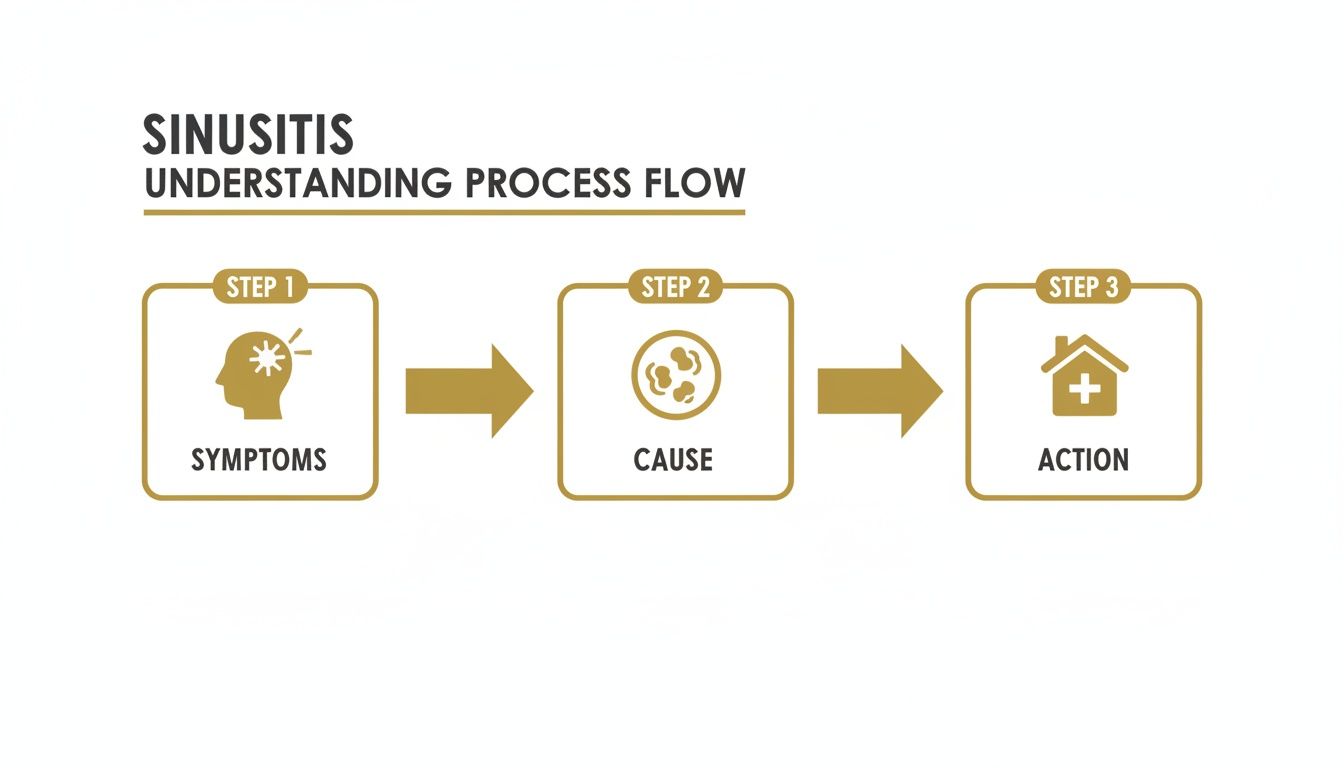
Understanding this connection helps clarify why these foundational home treatments are often so effective.
Nasal Saline Irrigation: The Cornerstone of Home Treatment
If there is one technique to learn, it is nasal saline irrigation. It involves gently flushing your nasal passages with a saltwater solution. This practice thins stubborn mucus, washes away irritants like pollen and dust, and helps to reduce inflammation in the nasal tissues.
While the idea might seem unusual at first, the relief it provides can be significant, often without the need for medication. You can use a neti pot, a squeeze bottle, or a pre-packaged rinse kit available at most pharmacies.
Crucially, you must use safe water to avoid introducing harmful microorganisms into your sinuses.
- Distilled or sterile water is the safest option.
- Tap water that has been boiled for at least one minute and then cooled to a lukewarm temperature is also safe.
Never use water directly from the tap for rinsing.
To prepare the solution, dissolve about half a teaspoon of non-iodised salt with a small pinch of bicarbonate of soda in 250ml of the prepared water. For convenience, pre-mixed sachets are an excellent and reliable alternative.
How to Perform Nasal Rinsing Correctly
The technique itself is straightforward. Lean over a sink and tilt your head to one side at about a 45-degree angle. It's important to breathe through your mouth during the process.
Place the spout of the device in your upper nostril and gently pour or squeeze the solution. The water will flow through your nasal cavity and exit through the lower nostril. It may feel strange initially but should not be uncomfortable. After using about half the solution, gently switch sides.
It is normal for a small amount of the solution to run down the back of your throat. Once finished, gently blow your nose to clear any remaining mucus or water. Rinsing once or twice a day during an acute flare-up is often sufficient to provide noticeable relief.
The Soothing Effect of Steam Inhalation
Warm, moist air is another simple yet effective tool for sinusitis. Steam helps to loosen thick, congested mucus, making it easier to clear. It also provides immediate comfort to dry, irritated nasal passages.
A long, hot shower is one of the easiest ways to benefit from steam. Alternatively, you can fill a bowl with hot (not boiling) water, lean over it with a towel draped over your head to trap the steam, and breathe deeply for 5–10 minutes.
While steam provides immediate comfort and helps loosen mucus, it works best when combined with saline rinsing, which physically flushes the debris out.
Some people add essential oils like eucalyptus to the water, but be cautious. For some individuals, strong scents can irritate the sinuses further. It is often best to start with plain steam.
Using Warm Compresses for Facial Pain
The dull, aching pain across the cheeks, forehead, or around the eyes is often one of the most difficult symptoms of sinusitis. A simple warm compress can provide targeted relief by improving blood flow to the area and easing the sensation of pressure.
Soak a clean cloth in warm water, wring it out, and place it over the painful areas of your face for 10–15 minutes. This can be repeated as often as needed throughout the day for comfort. While it won't clear your sinuses, it can make the pain more manageable.
At-Home Sinusitis Relief Methods Explained
| Technique | Primary Purpose | Recommended Frequency | Key Safety Note |
|---|---|---|---|
| Nasal Saline Irrigation | To thin mucus, wash out irritants, and reduce inflammation. | 1-2 times daily during a flare-up. | Always use distilled, sterile, or previously boiled water to prevent infection. |
| Steam Inhalation | To loosen thick mucus and soothe irritated nasal passages. | 2-4 times daily, for 5-10 minutes per session. | Use hot, not boiling, water to avoid burns. Be cautious with essential oils. |
| Warm Compresses | To relieve facial pain and pressure sensation. | As needed, for 10-15 minutes at a time. | Ensure the flannel is warm, not hot, to protect your skin. |
Some people find that certain supplements can help thin mucus from within. For those interested, our overview of N-Acetyl L-Cysteine (NAC) explains one such option. By combining these core methods, you can create a supportive home care routine that addresses the primary issues of sinusitis.
Supportive Habits That Create a Healing Environment
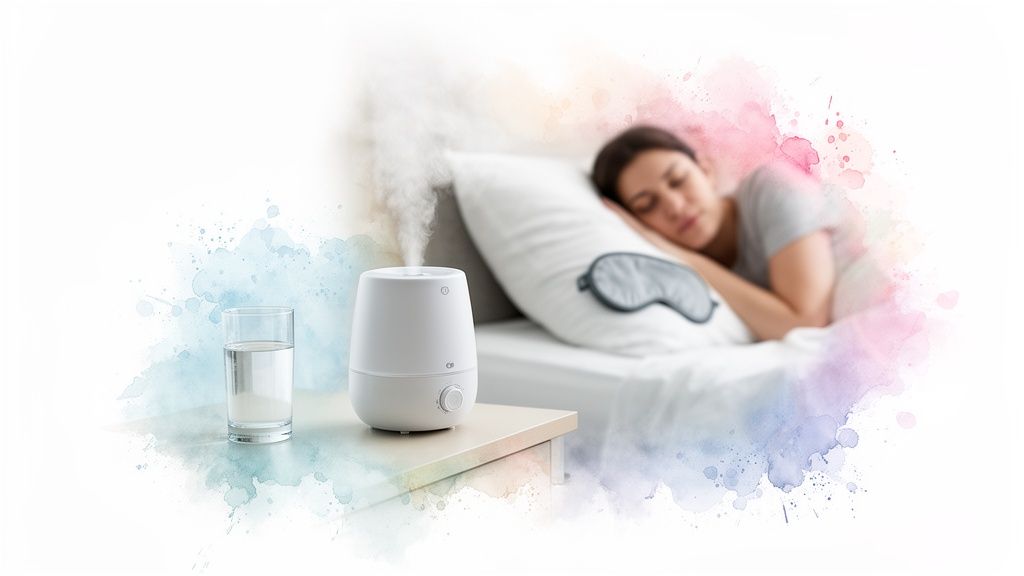
While direct treatments like saline rinses are essential, your daily habits create the overall environment for healing. Small, consistent lifestyle adjustments can significantly improve the effectiveness of your active treatments.
Think of it as supporting your body’s natural recovery processes. When you create the right conditions, you give your immune system a better chance to manage inflammation effectively.
The Importance of Hydration
This is one of the most straightforward yet impactful steps you can take. When your sinuses are inflamed, mucus often becomes thick, sticky, and difficult to drain. Adequate hydration helps to thin this mucus from the inside out.
When mucus is thinner, it can move more freely, which is essential for relieving pressure and clearing your sinuses. Consistently drinking water, herbal teas, or clear broths throughout the day is a foundational part of managing sinusitis.
Why Rest Is a Non-Negotiable Part of Recovery
There is often a tendency to try and "power through" when sinus symptoms begin. However, rest is not a luxury in this situation; it is a crucial component of your treatment. Sinusitis is an inflammatory condition, and managing inflammation requires a significant amount of your body's energy.
Proper rest achieves two key things:
- It conserves energy, allowing your body to direct more resources toward immune function and tissue repair.
- It reduces stress, and since stress hormones can contribute to inflammation, calming your system supports the healing process.
A practical tip for more effective rest is to elevate your head with an extra pillow at night. This simple adjustment uses gravity to assist with sinus drainage while you sleep, which can help reduce congestion upon waking.
Hydration and rest are the groundwork for recovery. Without them, other treatments are less effective against thick mucus and a tired immune system.
Managing Your Immediate Environment
The air you breathe can either soothe or further irritate your inflamed nasal passages. Taking steps to control your environment is a key part of home care.
Dry air, in particular, can worsen sinus irritation. Using a humidifier, especially in your bedroom overnight, adds moisture to the air, which can soothe your sinuses and help keep mucus from thickening.
It is also important to avoid common irritants that can trigger or worsen inflammation. These often include:
- Cigarette smoke
- Strong perfumes and chemical fragrances
- Harsh cleaning products
- Air pollution
Minimizing exposure to these triggers gives your nasal passages a chance to recover without additional irritation.
For those interested in how supplements may support the body's natural inflammatory responses, our article on the enzyme supplement Bromelain provides a more detailed explanation.
These habits are not isolated tips but interconnected parts of a holistic strategy. By focusing on hydration, rest, and your environment, you create the optimal conditions for your body to heal.
Using Over-the-Counter Options Wisely
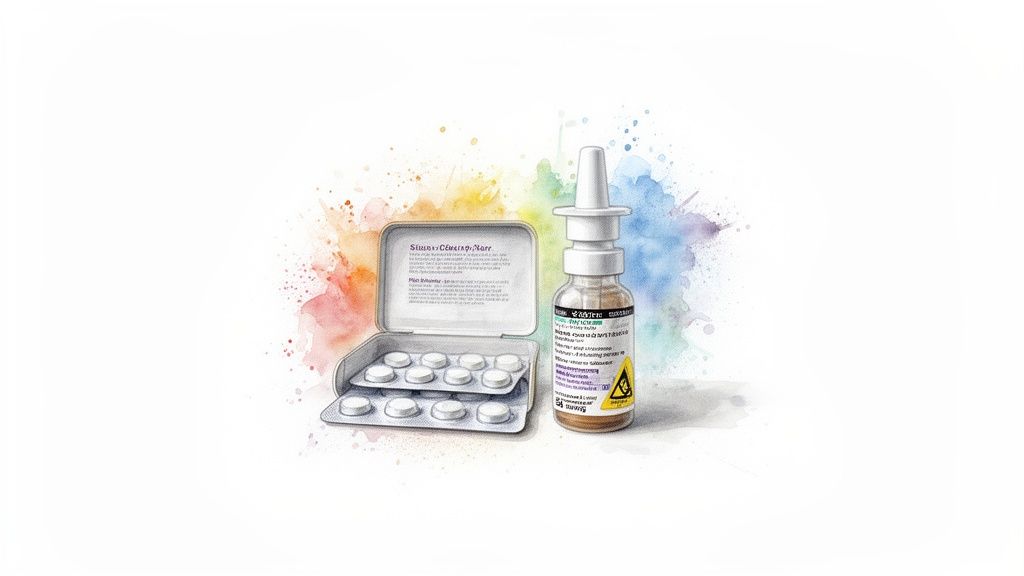
Navigating the pharmacy aisle for sinus relief can be overwhelming. Many products promise immediate relief, but it is important to choose wisely and use them correctly.
Over-the-counter (OTC) medications should be seen as tools for temporary symptom relief, not as a replacement for the foundational home care we've discussed. A targeted approach—addressing your most troublesome symptoms—is generally more effective than using a multi-symptom formula.
For Pain and Fever
If your main complaints are facial pain, headache, or a low-grade fever, simple analgesics are often the most appropriate first choice.
-
Paracetamol: Effective for reducing pain and fever. It is a reliable option for managing the dull, throbbing headache that often accompanies sinusitis.
-
Ibuprofen: As a non-steroidal anti-inflammatory drug (NSAID), ibuprofen offers a dual benefit. It not only alleviates pain but also helps to reduce the underlying inflammation that is causing the pressure.
Always follow the dosing instructions on the packaging. If you have other health conditions or are taking other medications, it is wise to consult with a pharmacist to ensure your choice is safe for you.
Decongestant Nasal Sprays: A Word of Caution
Decongestant nasal sprays containing ingredients like oxymetazoline can provide rapid, temporary relief from severe congestion. They work by constricting blood vessels in the nasal lining, which opens up the airways.
However, this powerful effect comes with a significant risk.
It is strongly recommended to use these sprays for no more than three consecutive days. Using them for longer can lead to a condition called rhinitis medicamentosa, or "rebound congestion."
Rebound congestion occurs when your nasal passages become dependent on the spray. When you stop using it, the swelling and congestion can return, often worse than the initial symptoms. This can create a difficult cycle of dependency.
These sprays are best reserved for short-term, emergency use, such as helping you get a few nights of sleep. They are not a solution for ongoing congestion.
A Note on Other Supportive Options
Some people explore nutritional supplements to support their immune function during a period of illness. If this is an area of interest, you can learn more about the role of Zinc in supporting the immune system in our detailed overview.
Oral decongestants containing pseudoephedrine are also available behind the pharmacy counter. While they can reduce stuffiness, they may cause side effects like increased heart rate or jitteriness and are not suitable for everyone.
Using OTC products effectively means understanding their purpose and their limitations. By choosing simple, targeted treatments and using them cautiously, you can get the temporary relief you need while allowing your body to heal.
When Home Treatment Isn't Enough: Seeing a Doctor
Most cases of acute sinusitis can be managed effectively at home. However, it is just as important to recognize the signs that indicate you may need professional medical advice.
This is not about causing alarm, but about being aware of your body's signals. Knowing when to escalate care ensures that a straightforward issue does not become more complicated.
Monitoring the Timeline of Your Symptoms
The duration of your symptoms is a key indicator. It helps clinicians differentiate between a typical viral illness and a potential secondary bacterial infection that may require different treatment.
There are two main timelines to watch:
-
Symptoms last for more than 10 days without any improvement. A common viral illness should typically start to improve within this timeframe. If you see no positive change after a week and a half of consistent home care, it is reasonable to schedule a doctor's appointment.
-
Symptoms initially improve, then suddenly worsen. This pattern, sometimes called "double-sickening," is a classic sign of a secondary bacterial infection. For example, you might feel like you are recovering from a cold, only for the fever, facial pain, and congestion to return more intensely. This warrants a medical evaluation.
Recognizing Red Flag Symptoms
Separate from the duration of illness, certain symptoms are considered "red flags." These may suggest a more serious issue and require prompt medical attention from your GP or an urgent care centre.
If you experience any of the following, do not wait to see if they improve on their own.
Being mindful of your symptoms is not about looking for problems. It is about being an informed partner in your own healthcare, able to distinguish between a typical illness and something that requires a professional opinion.
Specific Signs to Watch For
Here are the specific red flags that indicate it is time to seek medical advice.
A High, Persistent Fever While a low-grade temperature can be normal, a fever above 38°C that persists for several days, or one that develops after you have already been unwell for a while, can be a sign of a significant infection that your body is struggling to clear.
Severe or Unusual Headache The dull pressure of sinusitis is expected. However, if the headache becomes severe, does not respond to simple painkillers, or is accompanied by a stiff neck or sensitivity to light, it needs to be assessed by a doctor.
Any Changes in Vision The sinuses are located very close to the eye sockets. Therefore, any vision changes during a sinus infection should be taken seriously. This includes:
- Double or blurred vision
- Pain with eye movement
- Noticeable swelling or redness around one or both eyes
These symptoms could indicate that the infection is spreading and require immediate evaluation.
Facial Swelling or Mental Confusion While some puffiness can occur, significant, visible swelling of the forehead, cheeks, or around the eyes is not typical for uncomplicated sinusitis. Similarly, any sign of confusion, excessive drowsiness, or difficulty staying awake in yourself or someone you are caring for is a medical emergency.
Understanding the limits of home care is as crucial as knowing the remedies themselves. It empowers you to manage your health safely, using gentle treatments when appropriate and seeking expert help when necessary.
Bringing It All Together: From Tips to a Sustainable Plan
Understanding how to treat sinusitis at home goes beyond a list of individual actions. The key is to see how the different elements—direct treatments and supportive habits—work together to create a system that promotes healing.
Direct actions like saline rinsing and steam inhalation target the physical problem by helping to clear congestion and restore drainage.
At the same time, supportive habits like hydration and rest work in the background. They are essential for calming systemic inflammation and ensuring your immune system has the resources it needs to function effectively.
When you combine these components into a consistent routine, you move from simply reacting to symptoms to proactively managing your sinus health. This approach can help reduce the severity and frequency of flare-ups over time.
Lasting relief from sinus issues often comes from a structured understanding of how to calm inflammation and support drainage, rather than from chasing individual symptoms.
While this article provides the foundational concepts, some people find a more structured overview helpful for building a long-term strategy. For those who want to connect these ideas into a comprehensive plan, we have organized them into a more detailed resource.
You can explore these concepts further in The Patients Guide on Sinusitis. It is designed to help you build a coherent and confident approach to achieving lasting relief.
Your Top Sinusitis Questions Answered
When you're dealing with the pressure and pain of sinusitis, it's natural to have questions. Let's tackle some of the most common ones I hear, so you can feel more confident managing your symptoms at home.
How Long Until I Start Feeling Better?
For a straightforward case of acute sinusitis, you should start to feel a bit of a shift within 3 to 5 days of consistently using home treatments like saline rinses and steam. It won't be a dramatic overnight cure, but you should notice things are moving in the right direction.
Getting significant relief, however, often takes a bit more patience—usually around 7 to 10 days. If you hit that mark and your symptoms are stuck in place or, worse, getting more intense, that's your cue to ring your GP. With chronic sinusitis, think of home care less as a cure and more as a long-term strategy to keep flare-ups at bay and take the edge off when they do happen.
Do I Actually Need Antibiotics for This?
This is a big one, and there's a lot of confusion around it. The simple truth is that the vast majority of sinus infections are caused by viruses. Antibiotics do absolutely nothing for viruses.
For this reason, doctors are very cautious about prescribing them for sinusitis. They're typically only brought in if there's strong evidence of a secondary bacterial infection. We're looking for specific clues here: a high fever that won't break, symptoms dragging on for more than 10 days without any improvement, or that classic sign of getting a bit better, only to suddenly get much worse.
The real game-changer is shifting your focus. The priority is to calm the inflammation and get things draining properly. Antibiotics aren't a first-line defence; they're a specific tool for a specific problem.
Can What I Eat and Drink Make a Difference?
Absolutely. While there's no magic "sinusitis diet," what you consume can definitely play a supporting role in your recovery.
- Hydration is your best friend: This is non-negotiable. Keeping a steady intake of water, clear broths, and herbal teas is the single best thing you can do to help thin out mucus, making it much easier to clear.
- A little spice can help: Many people find that spicy foods containing capsaicin—think chilli peppers or a hot curry—can act as a temporary, natural decongestant. It gets your nose running, which is exactly what you want.
- Steer clear of alcohol: It might be tempting to have a drink to take your mind off it, but alcohol is dehydrating and can make the tissues in your nose and sinuses swell. That's the last thing you need.
You might have heard that dairy thickens mucus. For some people, it seems to, but for many others, it makes no difference at all. The best approach is to focus on staying well-hydrated and pay attention to any personal triggers that seem to make you feel worse.
Also in News


Your Guide To Understanding Back and Leg Pain
Struggling with back and leg pain? Our guide explains the common causes, how clinicians diagnose the issue, and the paths to finding relief.
Read More


When Is the Best Time to Take Magnesium? A Guide to Timing Your Supplement
Discover the best time to take magnesium for sleep, energy, or general health. Our guide explains how timing and type affect absorption and effectiveness.
Read More


Understanding Brain Fog Symptoms and Finding Clarity
A calm, clear guide to understanding brain fog symptoms. Learn the common signs, potential causes, and practical next steps for managing mental fatigue.
Read More