






Does Milk Help Heartburn? A Clear Guide to a Confusing Question

If you're dealing with heartburn, you have likely been told to drink a glass of milk for relief. It’s advice that gets passed down through generations. But a quick search online often leaves you more confused, with some sources claiming it’s a cure and others saying it makes things worse.
This conflicting advice can be frustrating, especially when you're looking for a reliable way to manage discomfort. The reality is that both sides have a point. The relationship between milk and heartburn is not a simple "yes" or "no."
This guide is designed to explain the clinical thinking behind this common question. We will break down how milk affects stomach acid, looking at both the immediate effects and the delayed reactions. Understanding this process is the first step toward figuring out what works for your body.
The Conflicting Evidence on Milk and Heartburn
It’s understandable to feel uncertain when expert advice seems to contradict itself. The truth is, that glass of milk can act as both a short-term solution and a potential trigger for later trouble. It may offer a moment of comfort, but it might just be borrowing relief from the future.
This guide will help clarify that process. We're going to explore how milk really affects heartburn—contrasting the temporary fix with the potential for rebound symptoms. By understanding the 'why', you can start to recognise what's happening in your own body.
What Clinical Patterns Show
In clinical settings, professionals tend to look for mechanisms and patterns rather than isolated quick fixes. When it comes to milk, the evidence for it being a consistent remedy is mixed.
For instance, a study on UK populations found that increasing dairy intake—whether it was low-fat or full-fat milk—didn't significantly change the frequency of heartburn or acid regurgitation when compared to a low-dairy diet.
What this suggests is that for many people, milk is neither a reliable cure nor a guaranteed trigger. Its effect seems to be highly individual and often depends on a few key factors:
- The type of milk consumed (fat content is a key factor).
- The amount consumed in one sitting.
- What else has been eaten that day.
This is why a one-size-fits-all answer doesn't work. To find what is right for you, it helps to understand the digestive processes at play. Our collection of nutrition articles explores these connections in more detail, providing the scientific context to make informed choices.
How Milk Can Both Soothe and Trigger Symptoms
To understand if milk is helpful, we need to look at what happens in your stomach in two distinct stages. The initial relief many people feel is real, but it’s what happens next that often causes problems.
This two-part reaction is precisely why there's so much confusion. The immediate comfort is temporary, and the delayed reaction can create a cycle of symptoms.
The Initial Soothing Effect
Heartburn is the burning sensation caused by stomach acid moving up into the oesophagus. When you first drink milk, it can feel like it's calming the fire, and there's a simple reason for that: milk is slightly alkaline.
Its pH acts as a temporary buffer, neutralising the harsh acid in your stomach on contact. This provides the immediate soothing effect that makes the remedy so popular in the first place.
The Delayed Rebound Effect
However, that initial moment of calm is often temporary. Once the milk is in your stomach, your body begins the work of digesting the fat and protein it contains.
Breaking down these nutrients requires a significant amount of stomach acid. This signals your stomach to increase acid production, a process sometimes called “acid rebound”.
An hour or two after drinking milk, you could have more stomach acid than you started with. If the muscle at the top of your stomach (which is meant to keep acid contained) is already prone to relaxing, this new wave of acid is more likely to cause another, often more intense, episode of heartburn.
This table provides a simple overview of how milk’s effects on heartburn can play out over time.
Milk's Short-Term vs. Long-Term Effects on Heartburn
| Timeframe | Mechanism of Action | Resulting Sensation |
|---|---|---|
| Immediate | The milk’s alkaline pH temporarily neutralises existing stomach acid. | A cooling, soothing feeling as the burning sensation is briefly relieved. |
| 1-2 Hours Later | The stomach ramps up acid production to digest the fat and protein in the milk. | Rebound heartburn, which can feel more intense than the original discomfort. |
As you can see, the initial benefit can be outweighed by the delayed consequence.
This infographic helps to visualise the journey from the common question about milk to the reality of its conflicting effects.
The takeaway is that while milk can act as a quick fix, its digestive demands may create a bigger problem later on. Understanding this two-part process is key to managing your heartburn effectively. For some, supporting overall gut health with beneficial bacteria can be a helpful strategy; you can explore the role of probiotics like Lactobacillus acidophilus to see if they fit into your wellness plan.
How Different Types of Milk Affect Heartburn
When trying to determine if milk helps your heartburn, it's important to recognise that not all milk is the same. One of the most significant factors influencing how milk affects reflux is its fat content. This detail often determines whether a glass of milk soothes or aggravates symptoms.
Fat has a tendency to relax the lower oesophageal sphincter (LES). The LES is a muscular valve between your oesophagus and your stomach. Its job is to stay tightly closed to keep stomach acid down. When fat encourages this valve to loosen, it can allow acid to move upward, causing the burn of heartburn.
Comparing Dairy Milk Options
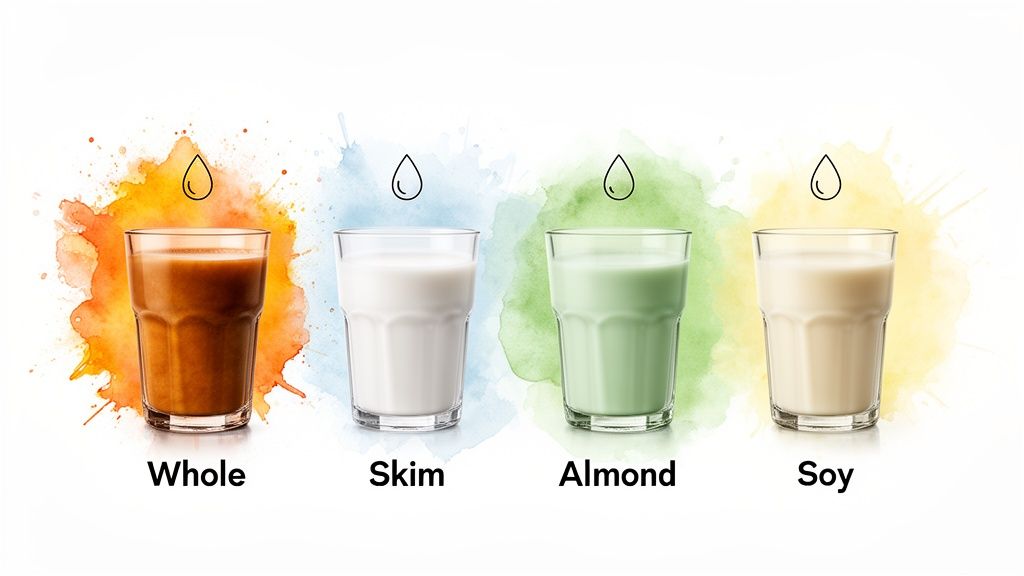
Because of how fat affects the LES, the type of dairy milk you choose matters.
- Full-Fat (Whole) Milk: With the highest fat content, this is the most likely type to relax the LES and trigger a significant release of stomach acid for digestion. This combination makes whole milk a common cause of rebound heartburn.
- Low-Fat and Skimmed Milk: These versions contain far less fat and tend to have a much weaker relaxing effect on the oesophageal sphincter. While they still contain protein that requires acid for digestion, they are generally considered a safer choice for those prone to reflux.
The bottom line is straightforward: if you choose to drink dairy milk, opting for a low-fat or skimmed version may reduce the risk of a flare-up.
What About Plant-Based Milks?
Plant-based milks have become very popular, and many of them can be suitable for a heartburn-friendly diet.
From a digestive standpoint, many plant-based milks have the advantage of being lower in fat and more alkaline. This combination makes them less likely to trigger the two primary mechanisms behind milk-induced heartburn: LES relaxation and rebound acid production.
However, it is important to read labels carefully. Many plant-based milks, especially flavoured varieties, contain added sugars, which can be a personal heartburn trigger for some. Unsweetened versions of almond, soy, or oat milk are often better tolerated.
As you explore different options, it's also worth looking into preparations with other potential health benefits. For example, adding turmeric to milk is a common practice, which you can read about in guides on Haldi Milk.
Ultimately, the choice of milk can make a significant difference. Paying close attention to fat content—and any added sugars in non-dairy alternatives—is a practical first step in determining if milk has a place in your diet.
Balancing Nutrition When Modifying Your Diet
Reducing milk intake to manage heartburn can feel like trading one problem for another. This is a common concern, particularly for parents helping children and teenagers with reflux. When you remove a potential trigger, you risk creating nutritional gaps.
In the UK, cow's milk is a significant source of key nutrients, especially for growing bodies. It provides much of the calcium and iodine needed for bone development and healthy thyroid function, both of which are critical during childhood and adolescence.
A Practical Approach to Dietary Changes
In clinical practice, complete avoidance of a food group is rarely the first step. A more effective approach is often thoughtful modification. The goal is to calm heartburn symptoms without stripping the diet of essential nutrients.
This means making smart swaps rather than drastic cuts. The key is finding alternatives that support both digestive comfort and proper nourishment.
Here are a few common modifications often considered:
- Switch to lower-fat dairy: Moving from whole milk to semi-skimmed or skimmed can make a difference. This reduces the fat that may trigger reflux while retaining most of the nutritional value.
- Choose fortified plant-based milks: Unsweetened almond, soy, or oat milks can be good alternatives, but it's helpful to choose one that has been fortified with calcium and iodine.
- Boost other dietary sources: You can also consciously add other calcium-rich foods, like leafy greens and fortified cereals. For iodine, sources like fish and eggs can be included.
Why Milk Is an Important Nutrient Source
It’s easy to underestimate the role of milk in a young person’s diet. The UK's National Diet and Nutrition Survey highlights its importance. For those aged 11-18, milk and dairy products provide approximately 21% of their calcium and 31% of their iodine intake.
Milk delivers these nutrients while only accounting for about 4% of their total calories. This demonstrates how efficiently it provides vital nutrients.
To better manage dietary changes for heartburn, it helps to see the bigger picture. Creating a personalized nutrition plan can offer guidance that goes beyond a simple list of foods to avoid.
This kind of balanced strategy is often the most effective way to manage heartburn. By focusing on smart substitutions, you can address acid reflux without unintentionally creating a different health concern.
Safer Alternatives for Soothing Mild Heartburn
If you've found that milk tends to worsen your heartburn, it's useful to have other options. Fortunately, there are many gentle and effective ways to manage mild discomfort without the risk of a rebound effect. The goal is to soothe the oesophagus and dilute stomach acid, not provoke it.

Gentle Foods and Drinks for Relief
Often, the simplest approach is a small glass of plain water. Water helps dilute the acid in your stomach and can wash it back down from your oesophagus, often easing the burning sensation.
Beyond water, a few foods are known for their soothing qualities. They tend to be low in both acid and fat, making them less likely to cause digestive issues.
Consider trying one of these next time:
- A ripe banana: Its soft texture can coat an irritated oesophageal lining, providing a comforting buffer.
- A small bowl of oatmeal: As a high-fibre food, oatmeal can help absorb excess stomach acid.
- Herbal teas: A warm cup of chamomile or ginger tea can have a calming effect on the stomach.
Finding a Smarter Way to Include Milk
What if you enjoy milk and don't want to give it up entirely? You might not have to. A simple change in strategy could make a difference.
Try having a much smaller glass of a low-fat or skimmed version. Importantly, have it with a meal rather than on its own. The other food in your stomach can act as a buffer, slowing digestion and potentially weakening milk's acid-triggering effects.
The best long-term strategy is to become an expert on your own body. Pinpointing your personal triggers is the key to preventing heartburn before it starts.
A useful way to do this is by keeping a simple food and symptom diary for a week or two. Note what you eat and when your symptoms appear. You may soon start to see patterns emerging, allowing you to make informed choices that work for you, rather than following generic advice.
From Confusion to Clarity on Your Symptoms
Trying to determine if milk helps heartburn often leads to a cycle of confusion. There is no simple yes or no answer because milk has a two-part effect on the digestive system.
As we've discussed, milk can feel soothing at first as it temporarily neutralises stomach acid. However, its fat and protein content can trigger a rebound effect, causing the stomach to produce more acid later on, which can worsen the discomfort. This dual action is at the heart of the conflicting advice.
We’ve also seen that the type of milk matters. Low-fat and skimmed milk are generally safer options. They contain less fat to relax the lower oesophageal sphincter and do not trigger the same surge of digestive acid as full-fat versions.
Gaining Control Through Understanding
This guide was designed to replace confusion with a clear framework. Instead of seeking a one-size-fits-all rule, you now have the tools to understand why milk might offer relief one moment and cause problems the next. This understanding is the first real step toward making informed, personal choices to manage your symptoms.
It is also important to recognise that heartburn is rarely about a single food; it is often part of a larger digestive picture. Many people find that what seems like simple heartburn is connected to other issues, like cramping or pain. You can learn more about these connections in our guide on understanding abdominal pain after eating.
The goal is to move beyond reacting to symptoms and start understanding their underlying causes. This knowledge empowers you to see the connections between diet, timing, and food choices, putting you back in control.
This perspective helps you build a long-term strategy for managing heartburn—one based on how your own body responds, not on old advice. For readers wanting a structured overview of these topics, our guides offer a deeper, step-by-step exploration.
Answering Other Common Questions
We've covered the main points, but sometimes specific questions remain. Here are a few common queries people have when trying to understand the link between milk and their heartburn.
Does Lactose Intolerance Cause Heartburn?
This is a common question. While they are separate issues, they can be connected. Lactose intolerance is about the gut's inability to digest milk sugar, which often leads to bloating, gas, and cramping.
This internal pressure from gas and bloating can physically push on the stomach, potentially forcing acid up past the oesophageal sphincter. If you consistently experience both digestive upset and heartburn after consuming dairy, it may be a pattern worth discussing with your doctor.
Is Goat's Milk a Safer Option?
Many people report that goat's milk feels gentler on their system. There is some logic to this—its fat and protein structures are slightly different from cow's milk. The fat globules are smaller, which may make them easier to digest.
However, it is still milk. It contains fat and will trigger the release of stomach acid for digestion. The fundamental principles we've discussed still apply. If you want to try it, opt for a low-fat version and pay close attention to how your body responds. It might work well for you, but it is not a guaranteed solution.
Can I Have Chocolate Milk with Acid Reflux?
Unfortunately, chocolate milk combines several common triggers for heartburn in one glass.
It typically contains milk (often whole milk), chocolate (which is known to relax the valve at the top of the stomach), and a significant amount of sugar. This combination makes it a major trigger for many people. It is often one of the first things professionals suggest reducing or eliminating while trying to get symptoms under control.
Also in News

Dizziness Before Periods: Understanding the Causes and Patterns
Discover the root causes of dizziness before periods and learn practical, gentle strategies to ease symptoms and feel better fast.
Read More


Understanding Epithelial Cells in Urine Test Results
Confused about epithelial cells in urine on your test results? Our guide explains what they mean, from contamination to kidney health, in clear, simple terms.
Read More


Understanding Your LFT Blood Test: A Patient's Guide
Confused by your LFT blood test results? This clear guide explains what the markers mean, how doctors interpret them, and what to expect next.
Read More