
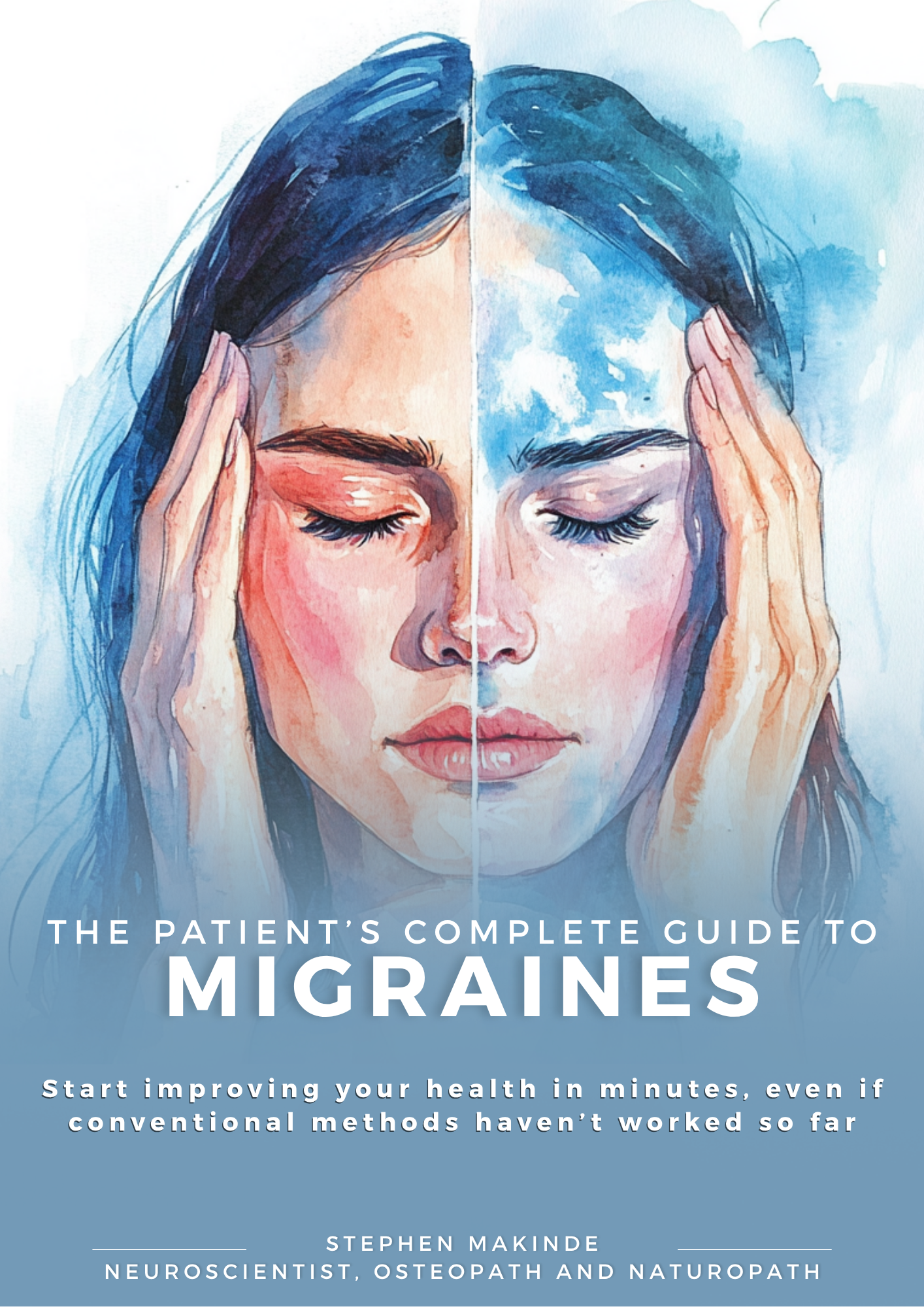





A Clear Guide to Understanding Migraine Symptoms


Searching online for information about migraine symptoms can be a confusing experience. You are often met with conflicting advice or long, disconnected lists of symptoms that leave you feeling more overwhelmed than informed.
This isn't helpful when you are trying to make sense of what you or a loved one is going through.
This guide is structured differently. We will walk through the symptoms of a migraine the way a clinician thinks about them: not as a random collection of issues, but as a predictable neurological event with distinct stages.
The goal is to provide clarity, helping you recognize the patterns in your own experience so you can have more productive conversations with your doctor and feel more in control.
Making Sense of Migraine Symptoms
One of the first things to understand is that a migraine is a complex neurological condition, not just a bad headache. The pain is only one part of a much larger picture.
The experience often unfolds in stages, and many of the most disruptive symptoms have nothing to do with pain. Recognizing these can help you build a more complete and accurate understanding of your condition.
Beyond the Headache Pain
Non-headache symptoms can appear before, during, or after the main headache phase. For some, these can be more debilitating than the pain itself.
- Cognitive Changes: It's common to struggle with finding the right words, concentrating, or feeling a general sense of mental slowness, often called brain fog.
- Sensory Sensitivity: While sensitivity to light (photophobia) and sound (phonophobia) are well-known, you might also experience heightened sensitivity to smells (osmophobia) or even touch.
- Mood Shifts: Unexplained feelings of depression, irritability, or anxiety can occur in the hours or days leading up to a migraine attack.
Many people find the cognitive symptom known as brain fog particularly frustrating. Understanding what causes brain fog can help explain this confusing part of the migraine experience.
Learning to spot these varied symptoms helps you create a personal map of what a migraine attack truly involves for you.
Why a Migraine Is More Than Just a Headache
Shifting your perspective from viewing a migraine as a 'bad headache' to a 'neurological event' is a critical step. A migraine is a process that can unfold over several days, involving a sequence of stages within the brain and body.
This framework helps explain the wide range of symptoms people experience. When you see it as a process, you can start to recognize the signals your body sends, anticipate what might be coming, and reduce some of the unpredictability.
The Four Phases of a Migraine Journey
A complete migraine attack can progress through up to four distinct phases. Not everyone experiences every phase, and the symptoms can vary between attacks. However, understanding this structure helps connect the dots.
- Prodrome (The Warning Phase): This can begin 24 to 48 hours before the headache. It involves subtle changes in mood, energy, or physical sensations. It is the body's early warning system.
- Aura (The Sensory Disturbance): This phase typically occurs just before or during the onset of the headache. It consists of temporary neurological symptoms, most commonly visual changes.
- Headache (The Main Attack Phase): This is the most recognized phase, characterized by moderate to severe pain. It is often accompanied by other debilitating symptoms.
- Postdrome (The Recovery Phase): Often called the 'migraine hangover,' this phase occurs after the worst of the pain has subsided, leaving you feeling exhausted and unwell for another day or two.
Understanding these phases is like having a map. It doesn't stop the migraine, but it can help you know where you are in the process and navigate it with more confidence.
This framework is also vital for tracking your symptoms and communicating effectively with your doctor. Instead of saying, "I get bad headaches," you can describe a clear pattern of events. This detailed information is incredibly valuable for diagnosis and developing an effective treatment plan. For a more structured overview, this is explored in detail in our comprehensive Migraine Guide.
The Four Phases of a Migraine Attack
It helps to think of a migraine not as a single moment of pain, but as a sequence of events. A full attack can have up to four distinct phases, though not everyone experiences all of them with every attack.
Understanding this structure is key. It helps you spot patterns you might have missed before, turning what feels like a random collection of confusing symptoms into a predictable—if unwelcome—process.
This timeline shows how a typical migraine progresses, from the very first warning signs right through to the main event.
As you can see, the experience often starts long before the headache kicks in, with subtle clues in the prodrome phase that can act as an early warning.
To help you identify where you are in a migraine cycle, the table below breaks down the common symptoms for each of the four phases.
Typical Symptoms Across the Four Migraine Phases
| Phase | Typical Duration | Common Symptoms |
|---|---|---|
| Prodrome (Warning) | A few hours to 2 days | Mood swings, food cravings, neck stiffness, fatigue, yawning |
| Aura | 5 to 60 minutes | Visual disturbances (flashing lights, blind spots), numbness, tingling, speech difficulty |
| Headache (Attack) | 4 to 72 hours | Throbbing pain, nausea, vomiting, extreme sensitivity to light, sound, and smells |
| Postdrome (Hangover) | 1 to 2 days | Deep exhaustion, mental fogginess, mood changes, lingering head sensitivity |
Tracking your symptoms against this framework can be incredibly revealing, helping you and your doctor build a clearer picture of your personal migraine experience.
The Prodrome or Warning Phase
The first phase, the prodrome, can begin up to 48 hours before the headache arrives. Its symptoms are often subtle and can be easy to dismiss or fail to connect with an oncoming migraine.
These early symptoms are neurological in nature. Common prodrome symptoms include:
- Mood Changes: You might feel unusually irritable, low, or even euphoric for no clear reason.
- Food Cravings: A sudden, intense desire for certain foods, often sweet or salty, is a common sign.
- Neck Stiffness: Many people report a stiff, aching neck as one of the first indicators that a headache is on the way.
- Fatigue and Yawning: Profound tiredness and frequent yawning can signal an approaching attack.
Learning to recognize your personal prodrome symptoms can provide a crucial warning, allowing time to use acute medication, adjust your plans, or prepare for what may be ahead.
The Aura Phase
The aura is a temporary neurological disturbance that typically lasts between 5 and 60 minutes and usually occurs just before the headache.
Only about 25-30% of people with migraine experience an aura, and it may not happen with every attack. It is thought to be caused by a wave of electrical activity spreading across the surface of the brain, temporarily disrupting normal function.
An aura is not a hallucination. It is a physical event that temporarily interferes with sensory perception, like static on a TV screen disrupting the signal.
The most common auras are visual, but they can affect other senses as well.
- Visual Disturbances: This is the classic aura. You might see flashing lights, zig-zag lines, shimmering spots, or experience temporary blind spots.
- Sensory Changes: Some people feel tingling or numbness, often starting in the fingertips and slowly spreading up the arm and into the face.
- Speech or Language Problems: A temporary difficulty finding the right words or speaking clearly (dysphasia) can also be part of an aura, which can be frightening.
The Headache Attack Phase
This is the phase most people associate with "migraine." The headache is typically a moderate-to-severe throbbing or pulsing pain, often felt on one side of the head.
Simple physical activity, like walking or climbing stairs, can worsen the pain. The headache rarely occurs in isolation and often brings other debilitating symptoms.
Common accompanying symptoms include:
- Nausea and Vomiting: A feeling of sickness is very common, and many people will vomit during this phase.
- Extreme Sensitivity: The brain becomes hypersensitive to sensory input, resulting in photophobia (sensitivity to light), phonophobia (sensitivity to sound), and osmophobia (sensitivity to smells).
The impact of this phase is significant. In the UK, it’s estimated that around 10 million people aged 15-69 live with migraine. The condition's disabling nature contributed to a 14% rise in emergency hospital admissions for headaches in England between 2014 and 2019.
The Postdrome or Recovery Phase
The final stage is the postdrome, often called the "migraine hangover." After the worst of the headache pain subsides, you can be left feeling drained and unwell for another day or two.
This recovery phase may affect up to 80% of people with migraine. The brain is slowly returning to its normal state, but the process can leave you feeling foggy and exhausted.
Postdrome symptoms often include:
- Deep Fatigue: This is a profound exhaustion that makes normal activities difficult.
- Cognitive Difficulties: You might struggle to concentrate or remember things, a feeling often described as "brain fog." Many of these challenges are similar to those explored in our article on understanding brain fog symptoms.
- Mood Changes: It's common to feel low, although some people report feeling unusually euphoric as they recover.
Recognizing the postdrome as a valid part of the migraine attack is important. It confirms that the lingering "off" feeling is a real physiological process and highlights the need for adequate rest.
How to Track and Describe Your Symptoms

Explaining a migraine attack to a healthcare professional can be challenging. Keeping a detailed symptom diary is one of the most effective things you can do to provide a clear and accurate picture of your experience.
Clinicians often hear patients say they get ‘bad headaches.’ While true, this doesn't provide the specifics needed for an accurate diagnosis and an effective treatment plan. The goal is to capture the unique story of your attacks.
This practice is not just about informing your doctor; it is about empowering yourself. By observing patterns, you become an expert on your own body and an active partner in your care.
What Clinicians Need to Know
When a doctor evaluates your symptoms, they are looking for patterns. Your diary is a tool for gathering clues that help build a complete picture.
Consistent and specific information is most helpful. It allows them to distinguish migraine from other headache types and may reveal potential triggers.
For each attack, try to record these key details:
- Timing: When did it start and end? Note the date and time.
- Intensity: On a scale of 1-10, how severe was the pain at its worst? (1 being mild, 10 being the worst imaginable).
- Location: Where did you feel the pain? Was it on one side (left or right), both sides, behind an eye, or in the temples?
- Symptom Details: What else did you experience? Note any aura, nausea, sensitivity to light or sound, or any prodrome or postdrome symptoms like fatigue or neck stiffness.
This level of detail shows your doctor the entire lifecycle of an attack, not just the moment of peak pain. If you need a starting point, our downloadable Migraine Diary Template is designed to capture this essential information.
Using Descriptive Language to Explain Your Pain
The words you choose can make a significant difference. Using specific descriptions provides your doctor with important diagnostic clues.
For example, instead of saying you had a "bad headache," describe the quality of the pain. Is it a constant, dull ache, or does it feel like it's pulsing with your heartbeat?
A simple shift in language can make a significant difference. For instance, describing 'throbbing pain behind my left eye' immediately gives a clinician more information than just 'headache'.
Here are a few ways you can translate general feelings into clinically useful descriptions:
-
Instead of saying: "I felt weird before the headache"...
- Try this: "For about 12 hours before the pain started, I felt exhausted and craved chocolate, which is unusual for me."
-
Instead of saying: "My vision went funny"...
- Try this: "I saw shimmering zig-zag lines in the right side of my vision for about 20 minutes before the headache began."
-
Instead of saying: "It was a really bad headache"...
- Try this: "The pain was a pulsing sensation on the left side of my head, and it became much worse when I tried to walk up the stairs."
This type of specific language helps your clinician connect your symptoms to the known phases of a migraine attack, leading to a more accurate diagnosis and a more effective management plan.
Recognising Red Flag Headache Symptoms

While understanding your typical migraine pattern is important, it is equally vital to recognize when a headache feels different and may signal something more serious. This is not to cause alarm, but to provide the clarity to know when to seek immediate medical advice.
Healthcare professionals refer to these as ‘red flag’ symptoms. They are warning signs that a headache might have a different, more urgent cause.
When a Headache Needs Urgent Attention
The vast majority of severe headaches are migraines. However, certain features are unusual and should always be evaluated by a professional. The acronym SNOOP can be a helpful way to remember them.
-
Systemic Symptoms: Is the headache accompanied by other issues like fever, a stiff neck, or unexplained weight loss? These could suggest an underlying infection or other condition.
-
Neurological Signs: Are you experiencing new neurological symptoms you do not normally have with your migraines? This might include weakness on one side of your body, double vision, loss of balance, or significant confusion.
-
Onset: Did the headache reach its peak intensity almost instantly, within a minute? This is known as a "thunderclap" headache and requires immediate medical evaluation.
-
Older Age: The first onset of a new or different type of headache after the age of 50 generally warrants further investigation.
-
Pattern Change: Has there been a significant and lasting change in the frequency, severity, or characteristics of your headaches? For example, attacks that are steadily worsening over days or weeks.
It is important to remember that a red flag does not automatically mean something dangerous is happening. It is a clear signal that a professional medical assessment is needed to rule out other possibilities.
What to Do If You Spot a Red Flag
If you experience a thunderclap headache or a headache with new neurological symptoms like one-sided weakness or slurred speech, seek emergency medical care immediately.
For other red flags, such as a headache with fever and a stiff neck or a major change in your usual headache pattern, making an urgent appointment with your GP is the appropriate course of action.
This knowledge provides a safety net, empowering you to manage your typical migraine while also knowing precisely when to seek professional help. Understanding the signs of serious conditions, like a blood clot in the brain, is a crucial part of managing your health.
From Understanding to Practical Action
Recognizing the full progression of your migraine symptoms is a foundational step toward managing them. By now, it should be clear that a migraine is a complex, multi-stage neurological event that often begins long before the pain and can linger for days after.
This change in perspective is crucial. It moves you from being a passive recipient of pain to an active observer of your body's patterns. Each phase of a migraine offers clues. Learning to read them can bring a sense of clarity and control that is often lost during an attack.
Ultimately, this understanding helps reframe the experience from a random assault to a predictable—if deeply unwelcome—process. It's about feeling calmer and more confident in navigating the condition, which lays the groundwork for better conversations with your doctor and more effective self-care.
Building a Proactive Management Plan
One of the most practical skills you can develop is identifying your personal prodrome symptoms. Recognizing these early warning signs—be it unusual fatigue, a stiff neck, or specific food cravings—gives you a crucial window to act. This might involve taking medication early or adjusting your plans for the day.
This is where consistent symptom tracking becomes so valuable. The detailed record you create is not just a diary; it is data. It provides insights for both you and your healthcare team, highlighting patterns that might otherwise go unnoticed. This information helps refine treatment plans and identify potential triggers.
Effective management is rarely about a single 'cure.' It is about building a toolkit of small, informed actions. This begins with paying close attention to your body's signals and responding with intention.
Beyond tracking attacks, lifestyle factors can also play a role. For example, since sleep disruption is a known trigger for many, taking deliberate steps to improve sleep habits by learning new methods for alleviating sleep disorders can be an important part of a management plan.
Beyond This Article: Your Next Steps
The purpose of this guide was to provide a clear framework for understanding your symptoms. However, articles have their limitations. They are useful for clarifying concepts but cannot always provide the structured, comprehensive overview needed for long-term management.
If you are curious about other supportive strategies, you can learn more in our article on supplements for migraines.
For those who want to build a comprehensive plan from the ground up, we created our Migraine Guide. It offers a structured path that connects symptom patterns, triggers, treatment options, and lifestyle factors in one clear resource.
Got Questions About Migraine Symptoms? We've Got Answers
When trying to make sense of migraine, it's common for questions to arise. Here are straightforward answers to some of the most frequent ones.
Can You Really Have a Migraine Without a Headache?
Yes. This is often called a 'silent migraine' or, more formally, an acephalgic migraine. In this case, you experience other typical migraine symptoms—such as aura, nausea, fatigue, or brain fog—without the head pain.
This is a key reason why it is important to view migraine as a neurological condition, not just a type of headache. Recognizing that visual disturbances or a sudden wave of exhaustion could be a migraine, even without pain, is a significant step in understanding your body.
How Can I Tell if My Migraine Symptoms Are "Normal"?
There is no single 'normal' migraine. The condition is highly individual, and your experience can be very different from someone else's. Your symptoms can even change from one attack to the next.
Instead of focusing on whether your migraine fits a textbook definition, it is more productive to become an expert on your patterns.
The real goal is to figure out what’s a consistent pattern for you. Getting to know your typical prodrome, headache, and postdrome is infinitely more useful than comparing your symptoms to anyone else’s. That self-knowledge is the key to managing this condition well.
What's the Difference Between a Migraine and a Tension Headache?
This is a common point of confusion. The key differences are in the type of pain and the accompanying symptoms.
A tension headache typically involves:
- A dull, persistent ache or pressure, often described as a tight band around the head.
- Pain that is usually felt on both sides of the head.
- An absence of other symptoms like nausea or vomiting.
- Pain that is not typically worsened by routine physical activity.
A migraine headache, on the other hand, is more likely to feature:
- A throbbing or pulsing pain.
- Pain that is often located on just one side of the head.
- Accompanying symptoms such as nausea, vomiting, and extreme sensitivity to light and sound.
- Pain that often worsens with movement.
The easiest way to distinguish them is to look beyond the pain itself. A tension headache is typically just a headache, whereas a migraine is a full-body neurological event.
At The Patients Guide, we specialize in creating structured, easy-to-follow guides that help you connect the dots of your health. For a comprehensive resource that ties together symptom tracking, triggers, and management strategies into one clear plan, explore our library. You can find clarity and take the next step on our website.
Also in Migraines


Finding Clear Help with Migraines: A Grounded Guide
Feeling overwhelmed? Get clear, evidence-based help with migraines. This guide explains how to manage symptoms, track triggers, and talk to your doctor.
Read More

Understanding Ocular Migraine Symptoms and Triggers
A clear, reassuring guide to understanding ocular migraine. Learn to identify symptoms, understand triggers, and know when to seek professional care.
Read More


Understanding Migraine Vestibular Vertigo
A clear guide to understanding migraine vestibular vertigo. Learn to recognize its symptoms, understand the causes, and explore effective management strategies.
Read More